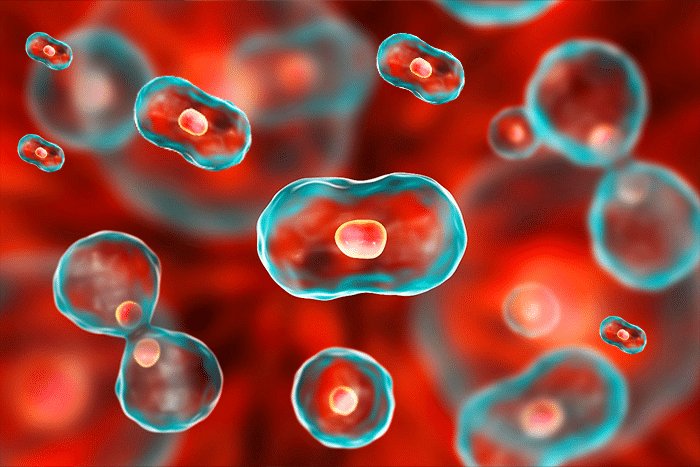
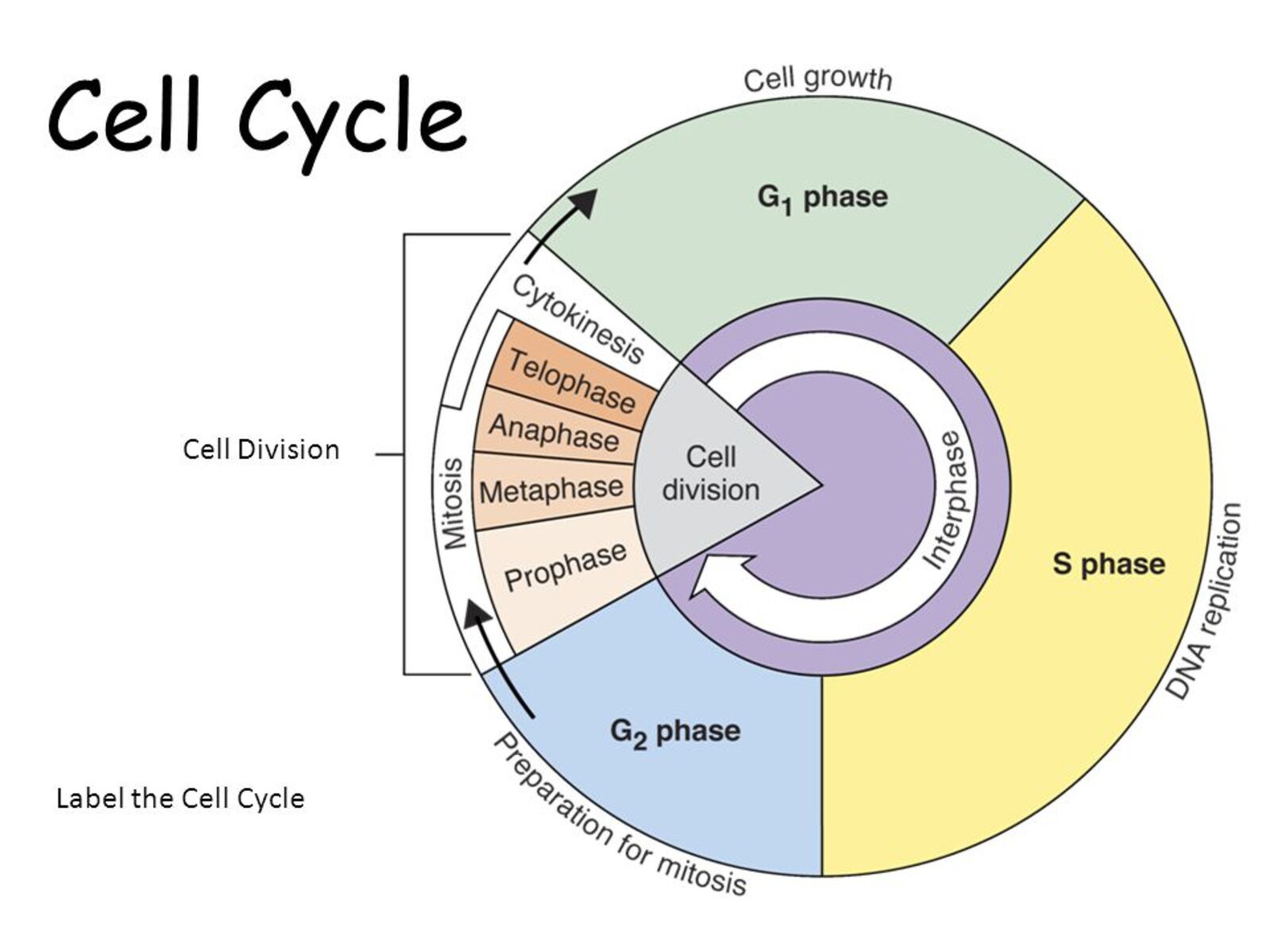
Cell Cycle Biology Diagrams Learn about the cell cycle, the cycle of stages that cells pass through to divide and produce new cells. Find out the functions, phases, and examples of the cell cycle, and how it is regulated in different organisms. Phases of the Cell Cycle. The cell cycle is a 4-stage process consisting of Gap 1 (G1), synthesis (S), Gap 2 (G2), and mitosis (M), which a cell undergoes as it grows and divides. After completing the cycle it either starts the process again from G1 or exits through G0. From G0, the cell can undergo terminal differentiation.

It is the first phase of the cell cycle, recognized by the growth period where the chromosome gets duplicated as the cell prepares for division. Interphase happens between one cell division or mitotic (M) phase and the next. It is the longest part of the cell cycle involving three sub-phases. The typical duration of this phase is 23 hours.

TeachMePhysiology Biology Diagrams
Phases of the Cell Cycle 1. Gap 0 Phase (G0) Gap 0 phase or G0 phase of the cell cycle is a period of time where the cell is present in a quiescent stage or resting phase, as it neither divides nor grows. The G0 phase can be considered either an extended G1 phase or a separate phase-out of the cell cycle.
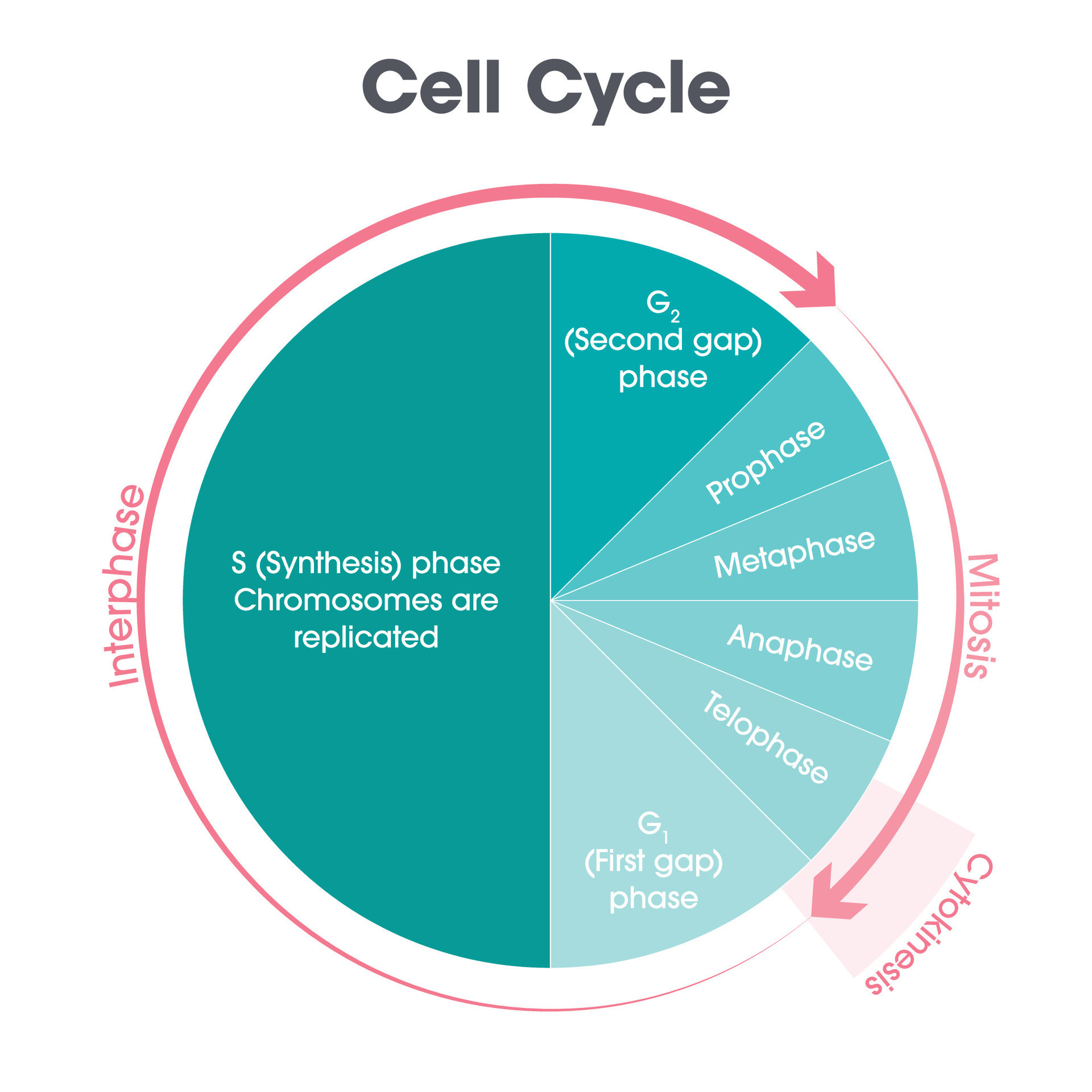
The most basic function of the cell cycle is to duplicate accurately the vast amount of DNA in the chromosomes and then segregate the copies precisely into two genetically identical daughter cells. These processes define the two major phases of the cell cycle. DNA duplication occurs during S phase (S for synthesis), which requires 10-12 hours and occupies about half of the cell-cycle time in
Description, Stages, & Checkpoints Biology Diagrams
The cell cycle refers to the process in which cells replicate themselves through carefully coordinated molecular events, leading to the formation of two daughter cells with duplicated DNA. Overview of the different phases of the cell cycle. Quiescent cells are in G0 phase and reenter the cell cycle at G1, during which cells prepare for DNA